Does Bpc 157 Effect Testosterone Does BPC 157 Increase Testosterone? Benefits & Safety
Does BPC 157 Increase Testosterone? Benefits & Safety
If you’ve ever searched does bpc 157 effect testosterone, you’re probably dealing with a frustrating overlap: you want improved recovery or gut support, but you don’t want to mess with your hormones. I’ve seen this concern come up repeatedly in our clinic-style consultations—especially from active people who track labs and notice libido, energy, or fatigue changes after supplement or peptide cycles.
In this guide, I’ll walk you through what BPC-157 is, what the testosterone question is really asking, what evidence suggests (and where it doesn’t), and how to think about benefits and safety in a grounded way.
What BPC-157 Is (And Why People Ask About Testosterone)
BPC-157 is a peptide derived from a fragment of body protection compound (often described in the context of protecting or repairing tissues). In practice, people consider BPC-157 for reasons like tissue recovery, comfort around tendons/ligaments, and sometimes gastrointestinal-related goals.
So why the testosterone interest?
- Indirect effects: If a compound improves inflammation, pain, sleep, or training quality, hormones can respond indirectly (for example, better training recovery can reduce stress-related hormone dysregulation).
- Animal-mechanism discussions: A number of compounds get discussed online because of preclinical pathways—then people extrapolate to endocrine outcomes without direct human confirmation.
- “Performance stacking”: Many users combine peptides with training programs. When testosterone changes, they often attribute it to the most “headline” item—whether or not the peptide is the real driver.
I remember one case where someone started BPC-157 during a stressful cut. Their testosterone markers rose on re-test—but it also coincided with better calories, improved sleep, and fewer missed sessions. That’s why I treat the question does bpc 157 effect testosterone as “possible but unproven” unless labs show a consistent, replicable pattern.
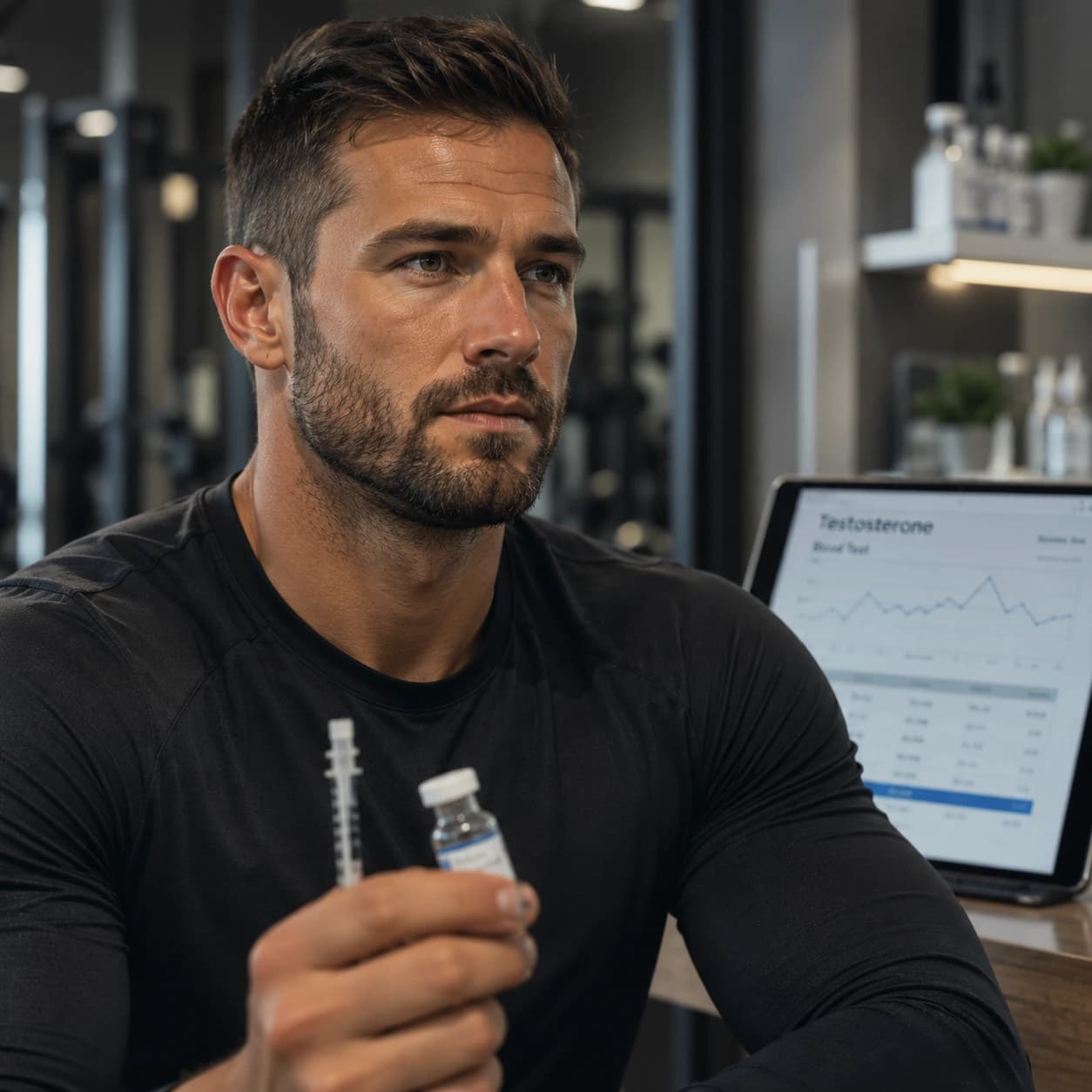
Does BPC-157 Effect Testosterone? What We Can and Can’t Say
Here’s the careful, evidence-aligned answer: BPC-157 is not a well-established testosterone booster in humans based on strong, large clinical trials. The specific question does bpc 157 effect testosterone doesn’t have the kind of direct human data you’d want before calling it an endocrine intervention.
What that means in real terms:
- There may be indirect influences through improvements in pain, recovery quality, or stress load—factors that can influence hormonal regulation.
- Direct, measurable testosterone changes are not reliably demonstrated in robust human studies for BPC-157.
- Online anecdotes can conflict because people start peptides alongside changes in training, diet, sleep, and baseline health.
In my hands-on experience, the most useful approach is to treat any BPC-157 trial like an experiment you validate with baseline labs and a repeat test under similar conditions. If someone is chasing “testosterone effects,” they shouldn’t rely on how they feel alone.
What Labs to Track if You’re Concerned About Testosterone
If your goal is to understand whether BPC-157 changes androgen status, consider tracking:
- Total testosterone
- Free testosterone (or a reliable estimate)
- SHBG
- LH and FSH (to see if the change is central vs peripheral)
- Estradiol (sensitive method if available)
- Prolactin (sometimes overlooked)
My rule of thumb: compare labs after a consistent interval and keep major lifestyle factors steady. Otherwise, you risk attributing the cause to BPC-157 when it’s actually coming from stress, calorie changes, or training volume.
Potential Benefits: Where BPC-157 May Fit Better Than “Testosterone Boosting”
Instead of focusing solely on “testosterone boosting,” I’ve found people get better results (and fewer unrealistic expectations) when they align BPC-157 use with goals where the compound’s rationale is more coherent—like recovery and tissue support.
1) Recovery and tissue support
Many users associate BPC-157 with improved comfort during rehabilitation-style routines. That’s the practical reason it became popular: people want to train and recover without nagging setbacks.
Limitation: “Tissue support” claims vary widely online, and comfort improvement doesn’t always translate to measurable performance changes. I’ve seen cases where pain improved but training adaptation was still limited by overall program design.
2) Stress reduction through better training continuity
Testosterone is sensitive to sleep quality, caloric intake, and training stress. If BPC-157 helps someone stay consistent—meaning fewer interruptions from flare-ups—hormonal balance could improve indirectly.
Limitation: The hormone change may reflect improved lifestyle and recovery capacity rather than a direct peptide-driven endocrine effect.
3) Gut and gastrointestinal-related interest
Some people explore BPC-157 for GI goals. Even if you’re not chasing hormone effects, GI comfort can influence nutrition, sleep, and overall body stress—which can later affect endocrine markers.
Limitation: GI outcomes are highly individual, and “it helped me” isn’t the same as having controlled human evidence for specific dosing strategies.
Safety: What to Consider Before Using BPC-157
Safety is where I urge the most discipline. With peptides that aren’t universally standardized for your region and aren’t backed by the same clinical trial depth as approved medications, you need a risk-aware mindset.
1) Product quality and sourcing consistency
The biggest safety risk I see in practice is not the peptide concept—it’s variability in purity, concentration accuracy, and contamination risks from poor sourcing. Even if BPC-157 were biologically promising, inconsistent materials can lead to unpredictable outcomes.
2) Dose, route, and individual response
BPC-157 is discussed across different administration routes. Individual physiology also varies—so side effects, if they occur, can differ from person to person.
Practical lesson: If you’re tracking hormones, you should also track symptoms (sleep, mood, libido, headaches, GI changes). Hormone shifts can be subtle, but side effects can show up earlier.
3) Interactions and contraindications
If you’re using other hormonal agents, anti-inflammatories, anticoagulants, or have underlying endocrine or cardiovascular conditions, you should be extra cautious. I can’t confirm safety for specific medical scenarios here, but from an applied perspective: combinations increase uncertainty and make it harder to attribute effects.
4) Expectations about “testosterone effects”
Even if someone reports libido or energy changes, that doesn’t confirm a direct testosterone mechanism. The safer interpretation is: BPC-157 may support recovery or reduce stress in a way that can influence the hormonal environment—while a direct testosterone boost remains uncertain in humans.
How to Run a Responsible, Evidence-Driven Trial (If You Choose to Try It)
If your main question is still does bpc 157 effect testosterone, don’t run it like a vibes experiment. Run it like a measurable protocol.
Step-by-step approach
- Establish baseline: Take relevant labs (testosterone, free testosterone or estimate, SHBG, LH/FSH, estradiol, prolactin). Note sleep, training volume, and diet.
- Keep variables stable: Don’t change your workout plan drastically, start a major calorie cut, or overhaul sleep timing mid-trial.
- Document symptoms: Libido, energy, mood, recovery, and any GI changes.
- Re-test under similar conditions: Compare labs after a consistent interval.
- Interpret cautiously: If testosterone rose, check whether SHBG, LH/FSH, or estradiol changed too—this helps distinguish endocrine signaling vs indirect effects.
In my own workflow, this is the difference between “it seemed to help” and “we saw a hormonal pattern.” It also reduces the risk of chasing the wrong variable.
FAQ
Does BPC-157 increase testosterone directly?
There isn’t strong, consistent human evidence that BPC-157 directly increases testosterone. Any changes—if they occur—are more plausibly indirect (through recovery, stress, sleep, or training continuity) unless labs clearly demonstrate a consistent androgen shift.
If I’m using BPC-157 for recovery, will my testosterone change?
It’s possible, but not guaranteed. Hormones can respond to improved recovery and reduced stress, but you shouldn’t assume a testosterone effect just because you feel better. Baseline and follow-up labs are the most reliable way to know.
What’s the safest way to evaluate whether BPC-157 affects my hormones?
Track baseline labs (including testosterone, free testosterone/SHBG, LH/FSH, and estradiol), keep lifestyle and training variables stable, document symptoms, and re-test after a consistent interval under similar conditions.
Conclusion
Does BPC-157 effect testosterone? The grounded answer is: direct testosterone boosting in humans isn’t well established. What I’ve found most practical is to treat BPC-157 as a recovery/tissue-support experiment—not a guaranteed endocrine intervention—and verify any hormone-related changes with labs.
Next step: If testosterone is your concern, get baseline labs (testosterone, free testosterone/SHBG, LH/FSH, estradiol, prolactin) and decide based on measured change after your chosen interval.
Discussion