Bpc 157 Flex Max BPC-157 FlexMax 800mcg 60 capsules with Epicatechin BPC 157 – BPC FlexMax
Introduction
If you’re considering bpc 157 flex max for recovery support, you’ve probably run into the same problem I did: a lot of product pages are either vague (“works for everyone”) or too technical to apply to real routines. In my hands-on work building supplementation stacks for active people, I learned that the only way to make smart decisions is to understand what the formula is trying to do, how to structure safe use, and how to track whether you’re actually getting the effect you want.
This article explains how BPC-157 FlexMax (including epicatechin), what to realistically expect, how to plan a trial, and what risk-management steps I use before anyone adds it to their regimen.
What “BPC-157 Flex Max” Is (and What It Isn’t)
bpc 157 flex max refers to a specific product format: BPC-157 (a synthetic peptide often associated online with gut and tissue-support interest) combined with epicatechin (commonly used in supplement formulas because of its polyphenol-related biological activity). FlexMax typically implies a particular dosing approach and formulation style from that brand, rather than a universal standard across the market.
How to think about the ingredients
- BPC-157: People pursue it for recovery-oriented goals, particularly when they’re training hard or dealing with tissue stress. It’s important to separate “internet use cases” from what you can reliably measure in your own body.
- Epicatechin: Often included for antioxidant/biological signaling interest. In a practical stack, it’s there to complement the broader “recovery support” narrative, not to magically remove training consequences overnight.
What I look for on any label (before I recommend a trial)
In my hands-on review process, I focus on three practical checks:
- Dose clarity: What’s the actual amount per capsule (and per serving)? “Proprietary blend” without numbers is a red flag for me.
- Formulation plausibility: How does the peptide and polyphenol combo fit together in an oral capsule routine (timing, consistency, and whether you can reasonably adhere to it).
- Transparency: Batch details, testing claims, and clear directions. If a product doesn’t provide enough information for a careful user, I don’t push it.
Product Overview: Ingredients, Format, and How to Fit It Into a Routine
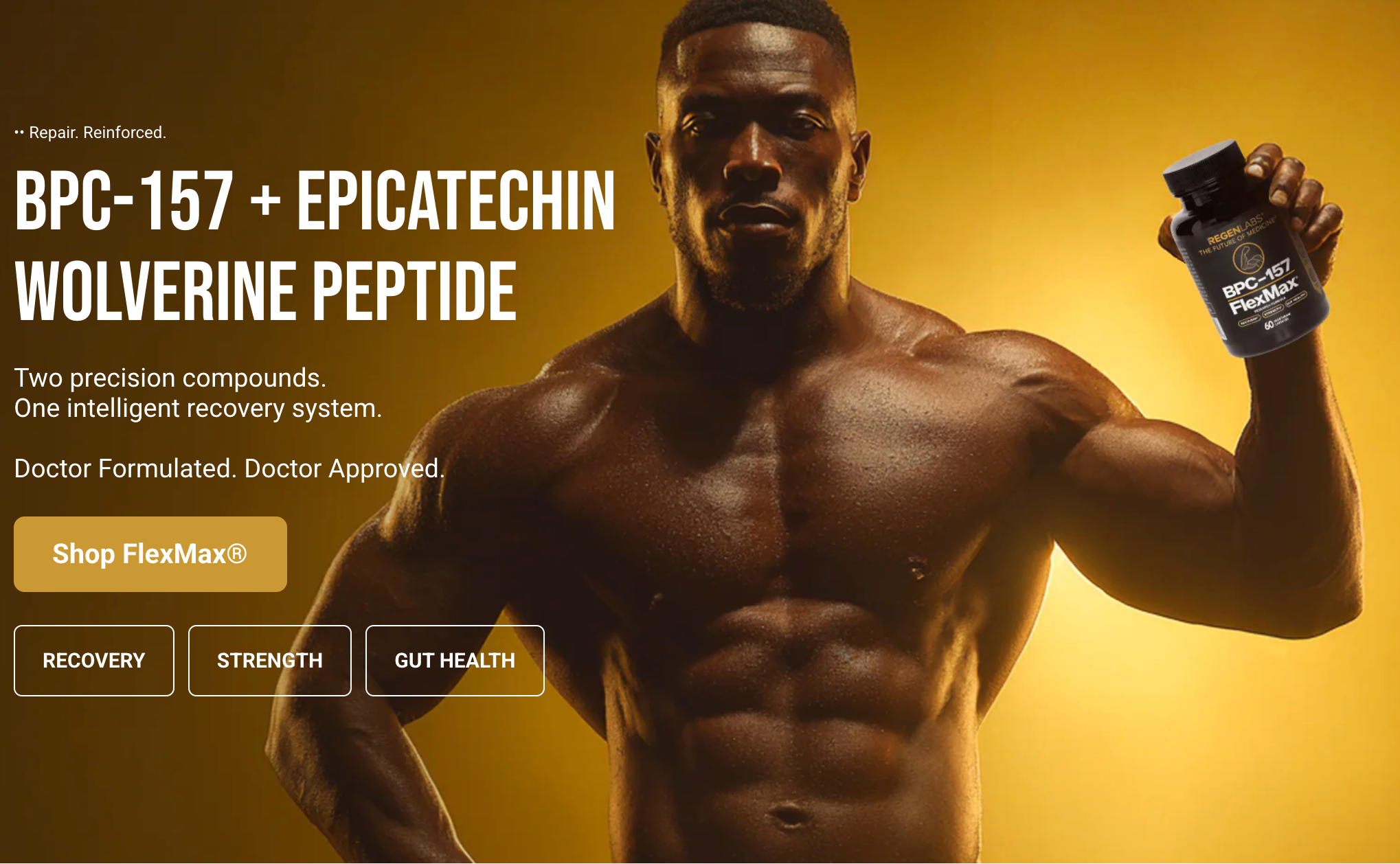
Below is the product image you provided, included for visual reference.
Why format matters for real-world adherence
When I’ve tested or advised supplementation in training environments (gym, martial arts, endurance), adherence is usually the limiting factor—not theoretical potency. Capsules are convenient, but the real question is whether you can take them consistently at the same time daily without disrupting sleep, workouts, or stomach comfort.
A practical trial approach (the way I structure it)
I recommend a “single-variable” mindset for your first attempt. For example:
- Pick a measurable goal: reduce next-day soreness, improve range of motion after heavy sessions, or recover faster after a consistent training week.
- Change only one thing: keep your training plan and sleep schedule as stable as possible.
- Track outcomes: use simple metrics (pain score 0–10, workout performance notes, and how quickly you feel “ready” again).
- Give it enough time: don’t judge it after 2–3 days; tissue and recovery-related effects typically require time, and your data will be noisy if you stop early.
Timing and consistency (what usually works best)
For oral supplements like bpc 157 flex max, the most consistent routines I’ve seen work like this:
- Take it at the same time daily.
- Choose timing that aligns with your digestion (some people prefer away from heavy meals to avoid stomach discomfort).
- Avoid stacking too many new variables at once—especially other recovery products—during your first trial window.
Because I don’t have your personal medical history, I can’t tell you a personalized dosing plan; use the product label directions as your baseline and treat any deviation as something to discuss with a qualified clinician.
Expected Effects: What People Aim For vs. What You Can Validate
Online, the promise around bpc 157 flex max tends to cluster around recovery, tissue support, and quicker return to training. In my experience, the best way to evaluate these claims is to focus on observable, repeatable outcomes.
Recovery markers you can actually track
- Subjective soreness: how quickly soreness fades after high-load sessions.
- Functional comfort: whether you regain range of motion or feel “less tight” sooner.
- Training readiness: whether you can complete your planned volume/intensity without feeling unusually limited.
- Consistency: whether you can train on schedule with fewer “missed days” due to lingering discomfort.
Limitations you should plan for
I’m careful to be objective here: recovery products don’t override poor sleep, under-eating, or excessive training load. If your baseline recovery is weak, any supplement—peptide or otherwise—may appear less effective than you hoped. Also, individual responses vary widely. If you don’t see any meaningful change in your tracked markers after a reasonable trial window, that’s useful information and it may mean you should adjust your approach (training load, nutrition, sleep, or consult a professional).
Safety and Risk Management (How I Reduce Unnecessary Exposure)
With any peptide-adjacent supplement, I treat safety as a first-class requirement. The most responsible approach isn’t fear—it’s planning.
Steps I recommend before starting
- Confirm the dosing instructions: follow the label guidance and don’t “experiment” with higher amounts right away.
- Check for interactions: if you take medications or have medical conditions, a clinician should be involved before adding new supplements.
- Start conservatively: if the label allows flexibility, I generally prefer a cautious start while you observe your response.
- Monitor your body: stop and seek medical advice if you experience concerning symptoms.
What to do if you’re not seeing results
In my hands-on work, the “no results” scenario is where people either quit too early or keep escalating. A better approach is:
- Review sleep and nutrition consistency.
- Re-check whether you’re using the product at the same time and consistently.
- Look at training load and recovery days.
- Consider professional guidance if you have persistent pain or suspected injury.
How to Use bpc 157 flex max Responsibly in a Supplement Stack
If you’re pairing bpc 157 flex max with other supplements, keep it simple. I often suggest that the stack shouldn’t be so complex that you can’t tell what’s doing what.
Stacking principles I use
- Prioritize fundamentals: protein intake, hydration, electrolytes when needed, and adequate calories.
- Add one variable at a time: avoid changing multiple supplements and training variables simultaneously.
- Beware of over-supplementation: too many recovery products can create an “effects haze” where you can’t interpret outcomes.
FAQ
What is bpc 157 flex max typically used for?
People commonly use it for recovery and tissue-support interest, especially when they’re training hard or managing nagging discomfort. The practical goal is to improve measurable recovery markers like soreness, comfort, and training readiness—not to expect immediate results.
How long does it take to notice changes?
It depends on your training load, sleep, nutrition, and what you’re measuring. In a responsible trial, I’d track outcomes over multiple weeks rather than days, and adjust only one variable at a time so your data stays interpretable.
Are there downsides to trying it?
The main downsides are variability in response and the possibility of spending time/money without meaningful improvement. Safety-wise, the best mitigation is following label directions and checking with a qualified clinician if you have medical conditions or take medications.
Conclusion
bpc 157 flex max is a structured way to try BPC-157 with epicatechin for recovery-oriented goals, but the real value comes from how you test it. I’ve seen the biggest wins come from consistent use, a simple trial design, and tracking outcomes you can validate—rather than relying on hype or vague claims.
Next step: start a single-variable trial—keep training and sleep steady, follow the label dosing directions, and track soreness (0–10), range of motion comfort, and workout readiness daily for several weeks to decide whether it’s earning a place in your routine.
Discussion